-
1Which schedule is generally most supportive of a stable sleep-wake rhythm?
- AChanging bedtime by several hours every night
- BGoing to bed and waking at reasonably consistent times, including weekendsCorrect
- CSleeping only when completely exhausted
- DUsing weekdays for very short sleep and weekends to replace it all
Why: CDC and NHLBI guidance recommends going to bed and getting up at consistent times. Large shifts between weekdays and weekends can disrupt the body's sleep-wake rhythm, even though real schedules sometimes require flexibility.
Source Centers for Disease Control and Prevention · National Heart, Lung, and Blood Institute
-
2What is a reasonable use of the hour before bed?
- AIntense work under bright light
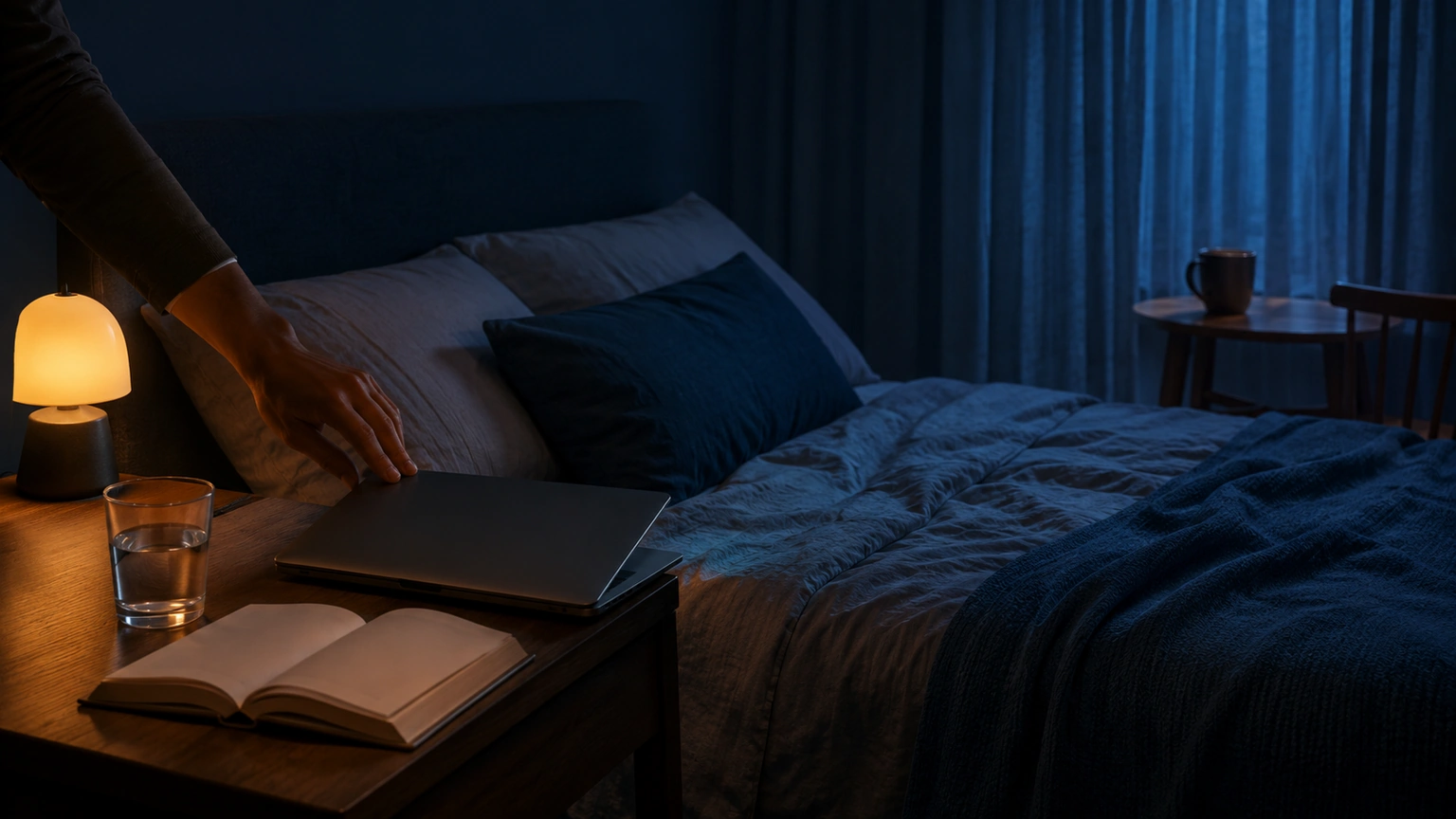
- BA quiet wind-down routine with less bright artificial lightCorrect
- CA large meal followed immediately by bed
- DRepeatedly checking stressful notifications
Why: NHLBI recommends quiet time before bed and limiting bright artificial light from screens. A predictable wind-down routine can reduce stimulation and support the transition toward sleep without guaranteeing that sleep will occur instantly.
Source National Heart, Lung, and Blood Institute
-
3Why can late-day caffeine interfere with sleep?
- ACaffeine is a stimulant whose effects can last for hoursCorrect
- BCaffeine permanently changes the bedroom temperature
- CCaffeine always causes sleep disorders
- DCaffeine has no effect after lunch
Why: Caffeine is a stimulant, and NHLBI notes that its effects can last for hours. Sensitivity and timing vary, but avoiding caffeine in the afternoon or evening is a common sleep-hygiene recommendation when falling asleep is difficult.
Source National Heart, Lung, and Blood Institute
-
4Which bedroom setup is generally recommended for sleep?
- ABright, noisy, and warm
- BQuiet, dark, relaxing, and comfortably coolCorrect
- CFilled with work alerts and active screens
- DChanged completely every night
Why: CDC and NHLBI guidance describes a quiet, dark, relaxing, and cool bedroom as supportive of sleep. Individual comfort and safety needs differ, but reducing unnecessary light, noise, and interruptions is a practical starting point.
Source Centers for Disease Control and Prevention · National Heart, Lung, and Blood Institute
-
5Which statement about alcohol and sleep is most accurate for general sleep-hygiene guidance?
- AAlcohol is recommended as a sleep treatment
- BAlcohol before bed can disrupt healthy sleep even if it initially feels sedatingCorrect
- CAlcohol guarantees uninterrupted sleep
- DAlcohol has no relationship with sleep
Why: Public-health guidance recommends avoiding alcohol before bedtime. Feeling drowsy is not the same as receiving uninterrupted, refreshing sleep, and alcohol should not be treated as a remedy for sleep problems.
-
6How does regular physical activity fit into healthy sleep habits?
- APhysical activity is discouraged for anyone with sleep concerns
- BRegular activity can support health and sleep, while intense exercise close to bedtime may not suit everyoneCorrect
- COnly exercising in bed helps sleep
- DOne workout replaces the need for sleep
Why: CDC and NHLBI include regular physical activity among healthy sleep habits. Timing and individual response matter; NHLBI advises using the pre-bed period for quiet time rather than intense exercise.
Source Centers for Disease Control and Prevention · National Heart, Lung, and Blood Institute
-
7What is a sensible approach to naps for an adult who struggles to fall asleep at night?
- ATake long naps late every evening
- BConsider limiting naps, taking them earlier, and keeping them briefCorrect
- CUse naps to avoid nighttime sleep completely
- DAssume nap timing cannot affect nighttime sleep
Why: NHLBI advises adults who have trouble falling asleep at night to limit naps or take them earlier in the afternoon, and suggests keeping adult naps brief. Individual needs vary, particularly for shift workers and people with medical conditions.
Source National Heart, Lung, and Blood Institute
-
8Which evening meal habit aligns with general sleep guidance?
- AEat the heaviest meal immediately before lying down
- BAvoid heavy or large meals within a few hours of bedtimeCorrect
- CSkip all food every evening regardless of need
- DUse spicy food as a universal sleep aid
Why: NHLBI recommends avoiding heavy or large meals within a few hours of bedtime, while noting that a light snack can be acceptable. The goal is not a rigid universal diet rule but reducing discomfort that may interfere with sleep.
Source National Heart, Lung, and Blood Institute
-
9What does good sleep quality mean beyond simply spending enough time in bed?
- ASleep that is uninterrupted and refreshingCorrect
- BNever waking briefly under any circumstances
- CRemembering every dream
- DSleeping at exactly the same minute as everyone else
Why: CDC describes quality sleep as uninterrupted and refreshing. Time in bed alone does not prove that sleep is restorative, and persistent poor-quality sleep can deserve attention even when the schedule appears long enough.
Source Centers for Disease Control and Prevention
-
10When should general sleep-hygiene tips give way to professional evaluation?
- ANever; habits solve every sleep problem
- BWhen sleep problems are regular, persistent, or accompanied by possible sleep-disorder symptomsCorrect
- COnly after buying several sleep products
- DWhenever one night is imperfect
Why: CDC advises talking with a healthcare provider if sleep problems occur regularly or there are signs or symptoms of a sleep disorder. Sleep hygiene is general education and cannot diagnose or treat conditions such as insomnia or sleep apnea.
Source Centers for Disease Control and Prevention