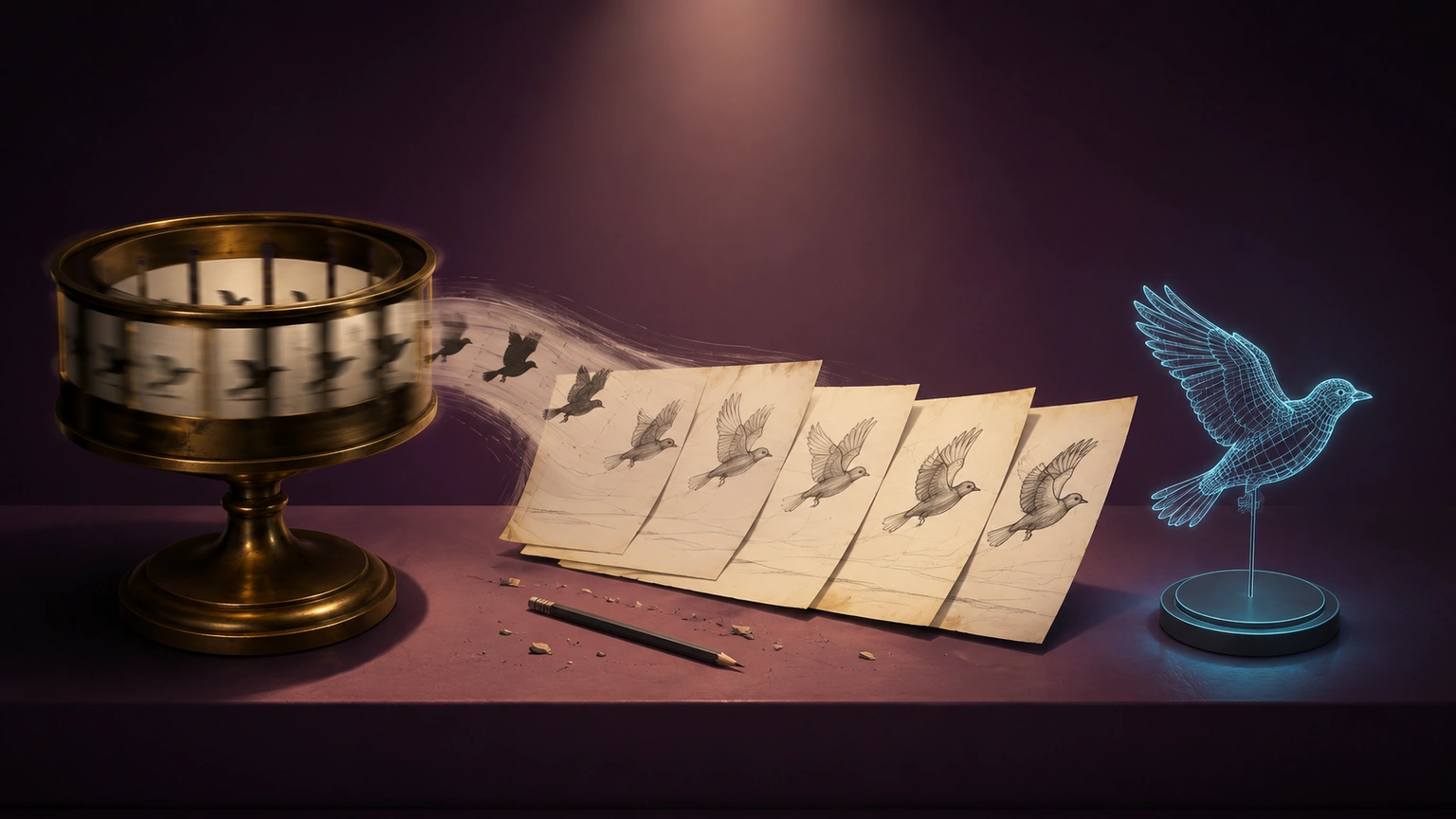
Film history is not a straight line from primitive movies to better ones. It is a collection of experiments in technology, storytelling, performance, business, and audience behavior. A useful introduction asks not only What came first? but What did later filmmakers and viewers learn from it?
The films below are viewing landmarks rather than a complete canon. Cinema developed across many countries and communities, and no short list can represent all of it.
Early film discovered its own language
The first public motion pictures often recorded brief events: workers leaving a factory, a train arriving, a dance, or an everyday joke. Filmmakers soon learned that the camera could also create impossible worlds and connect separate shots into a story.
Georges Méliès's A Trip to the Moon (1902) turned sets, editing tricks, costumes, and hand-colored imagery into fantasy. Edwin S. Porter's The Great Train Robbery (1903) helped popularize multi-shot action and cross-cutting among locations. These works matter not because one person invented every technique, but because they show cinema becoming more than photographed theater or a novelty.
Editing became a way of thinking
Silent-era filmmakers developed continuity editing so viewers could follow space, time, and cause across cuts. Others used montage to create meaning through collision: a shot gained force from the shot placed before or after it.
Some historically influential films also carry harmful ideologies. D. W. Griffith's The Birth of a Nation (1915), for example, advanced feature-length visual storytelling while promoting racist myths and glorifying the Ku Klux Klan. Studying film history requires holding formal influence and social harm in view at the same time.
Synchronized sound changed the whole production system
The Jazz Singer (1927) is remembered for popularizing synchronized singing and spoken passages in a feature. It was not the first experiment with recorded sound, and much of the film remains silent, but its commercial impact accelerated an industry-wide transition.
Sound changed cameras, stages, acting, editing, theater equipment, and international distribution. Early microphones restricted movement; noisy cameras needed enclosures; dialogue created new barriers across languages. Musicals and dialogue-driven genres flourished, while some silent stars and craftspeople struggled to adapt.
Animation proved it could sustain a feature
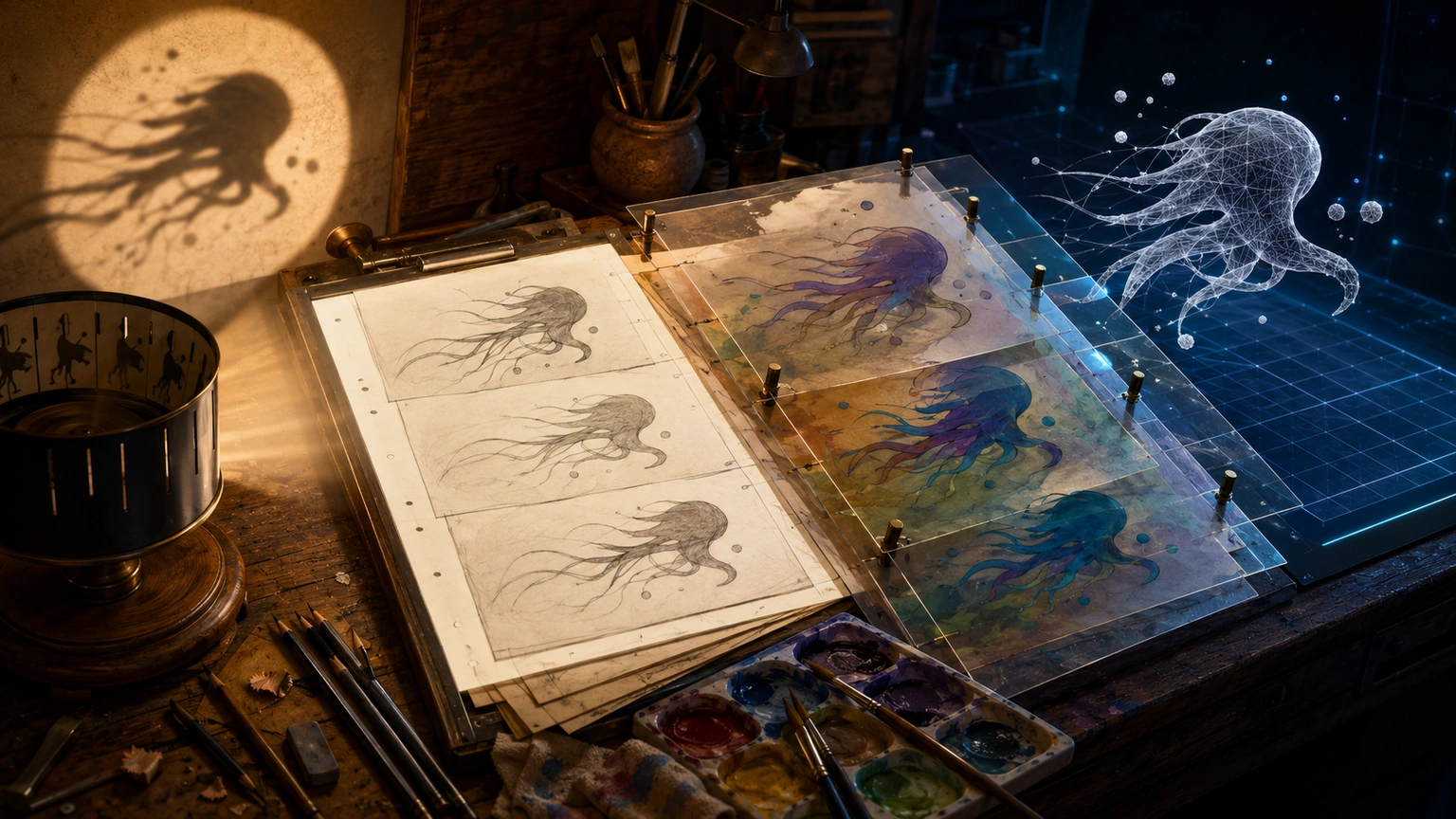
Snow White and the Seven Dwarfs (1937) demonstrated that a feature-length animated story could attract a mass audience and carry sustained emotion. The achievement combined character animation, music, color, effects, and industrial-scale production.
Animation was never only a children's format, and Disney was not the only animation tradition. Stop-motion, abstract animation, anime, independent shorts, and studios around the world developed different visual languages. Snow White is a landmark because of how decisively it expanded the commercial expectations for cel animation.
Citizen Kane expanded narrative and visual possibilities
Orson Welles's Citizen Kane (1941) combined deep-focus compositions, expressive lighting, unusual camera angles, layered sound, and a story reconstructed through conflicting memories. Many techniques existed earlier, but their integration made the film a lasting reference point.
Its structure also reminds viewers that narration is not neutral. Different witnesses offer incomplete versions of the same person, and the film refuses to turn a life into one simple explanation.
Postwar cinema widened the map
Italian neorealism used locations, available light, social conditions, and sometimes nonprofessional actors to bring postwar life onto the screen. Vittorio De Sica's Bicycle Thieves (1948) became an international touchstone for intimate stories shaped by economic pressure.
Akira Kurosawa's Rashomon (1950) made contradictory accounts central to its form, while Seven Samurai (1954) influenced action staging, ensemble storytelling, and later westerns and adventure films. Satyajit Ray's Pather Panchali (1955) brought close observation, human scale, and a distinctive Indian perspective to worldwide audiences. These examples challenge any history that treats Hollywood as the whole medium.
Genre films changed technique and audience behavior
Alfred Hitchcock's Psycho (1960) used editing, sound, suggestion, and abrupt narrative shifts to reshape screen suspense. Its release campaign also insisted that audiences arrive on time, turning exhibition rules into part of the experience.
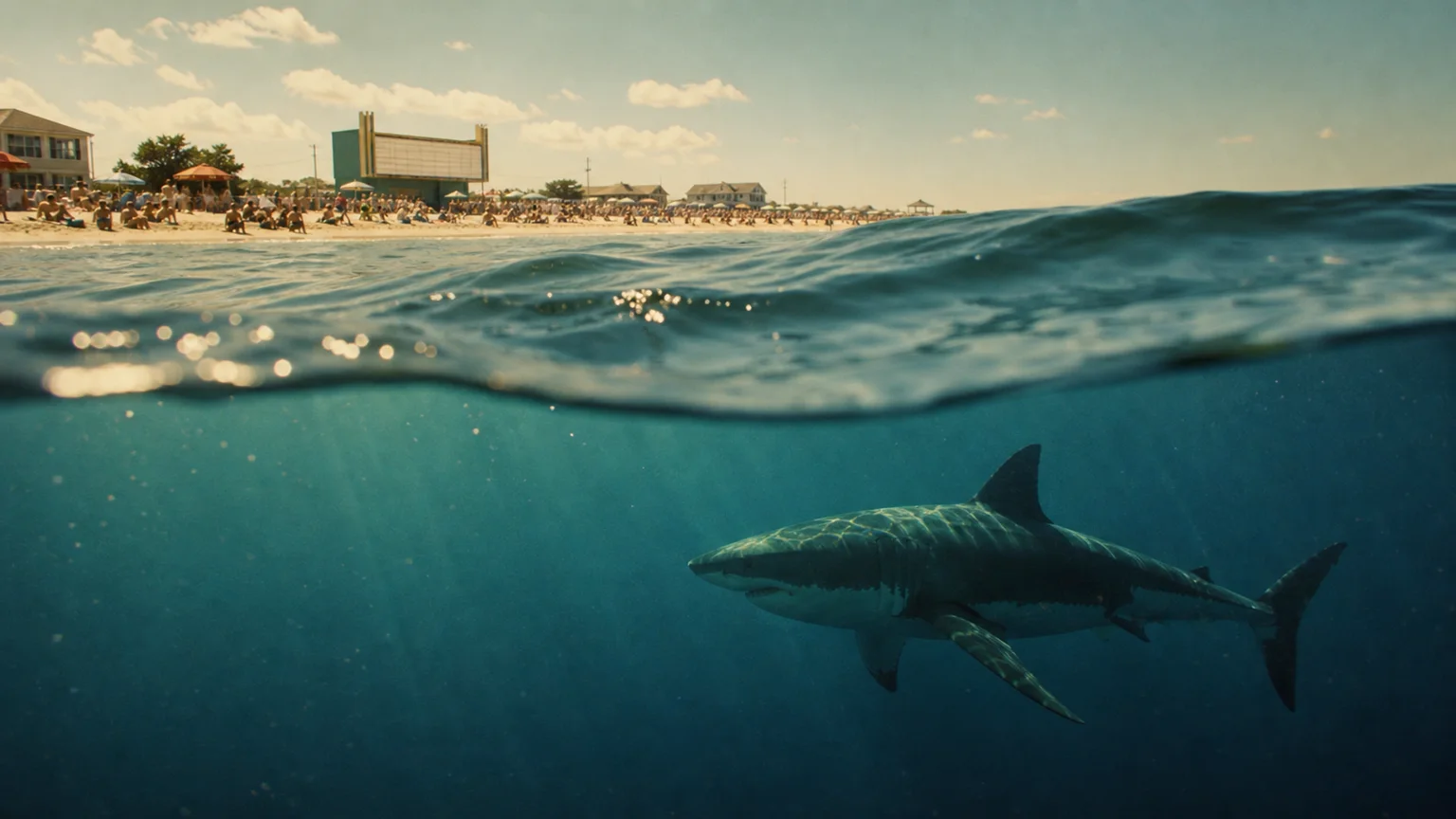
In the 1970s, Jaws (1975) joined filmmaking craft to saturation television advertising and event-style release. Its success helped make the summer spectacle a central studio strategy. Star Wars (1977) deepened that shift through effects, sound design, merchandising, and repeat viewing. The modern blockbuster emerged from art, marketing, distribution, and audience anticipation working together.
Digital tools changed images and workflows
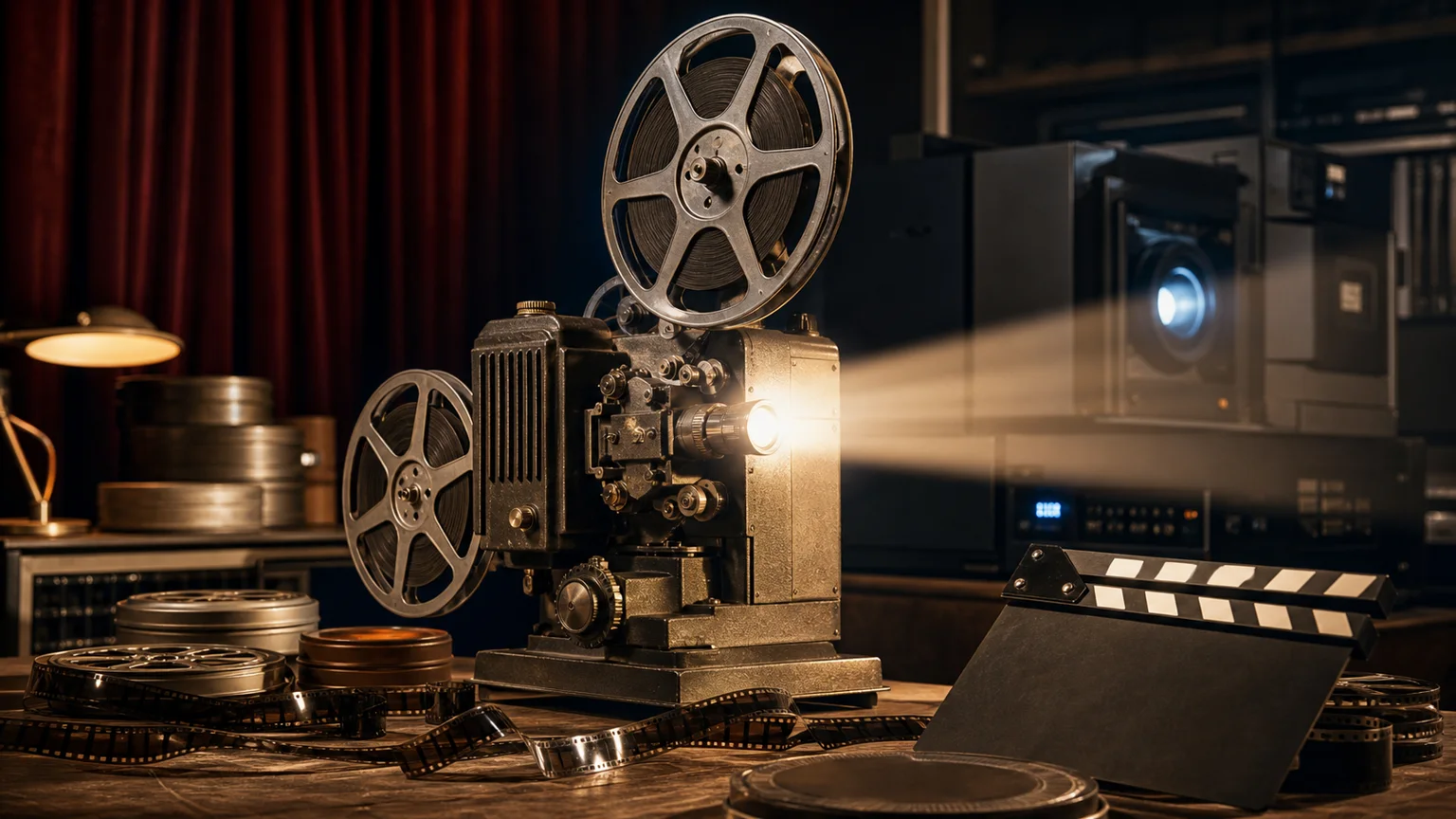
Toy Story (1995) became the first fully computer-animated feature, showing that digital characters and environments could carry a theatrical story. Digital editing, visual effects, projection, cameras, and distribution continued to reshape production.
The change was not simply film versus digital. Many contemporary productions combine physical sets, practical effects, computer imagery, digital capture, and film exhibition. Older techniques also remain expressive choices rather than obsolete steps.
How to watch a film historically
When viewing a landmark, ask four questions:
- What would have felt new to its first audience?
- Which earlier work did it build on?
- What did later films borrow, revise, or reject?
- What social assumptions or exclusions should be examined alongside the craft?
A movie can be influential without being flawless, universally loved, or literally first. Film history becomes more accurate when it includes collaboration, parallel inventions, business conditions, and voices once left outside traditional canons.
Start with connections, not a checklist
Choose one early short, one silent feature, one film from the transition to sound, one postwar film outside Hollywood, one 1970s studio hit, and one digital landmark. Notice how framing, editing, sound, performance, and promotion change. Then follow the connections that interest you.
Test the basics with the Film History Quiz, then read Why Jaws Is Called the First Modern Blockbuster for a closer case study.
Sources and further reading
- National Film Registry: Descriptions and Expanded Essays Library of Congress · Accessed July 18, 2026
- Selections from the National Film Registry: Articles and Essays Library of Congress · Accessed July 18, 2026